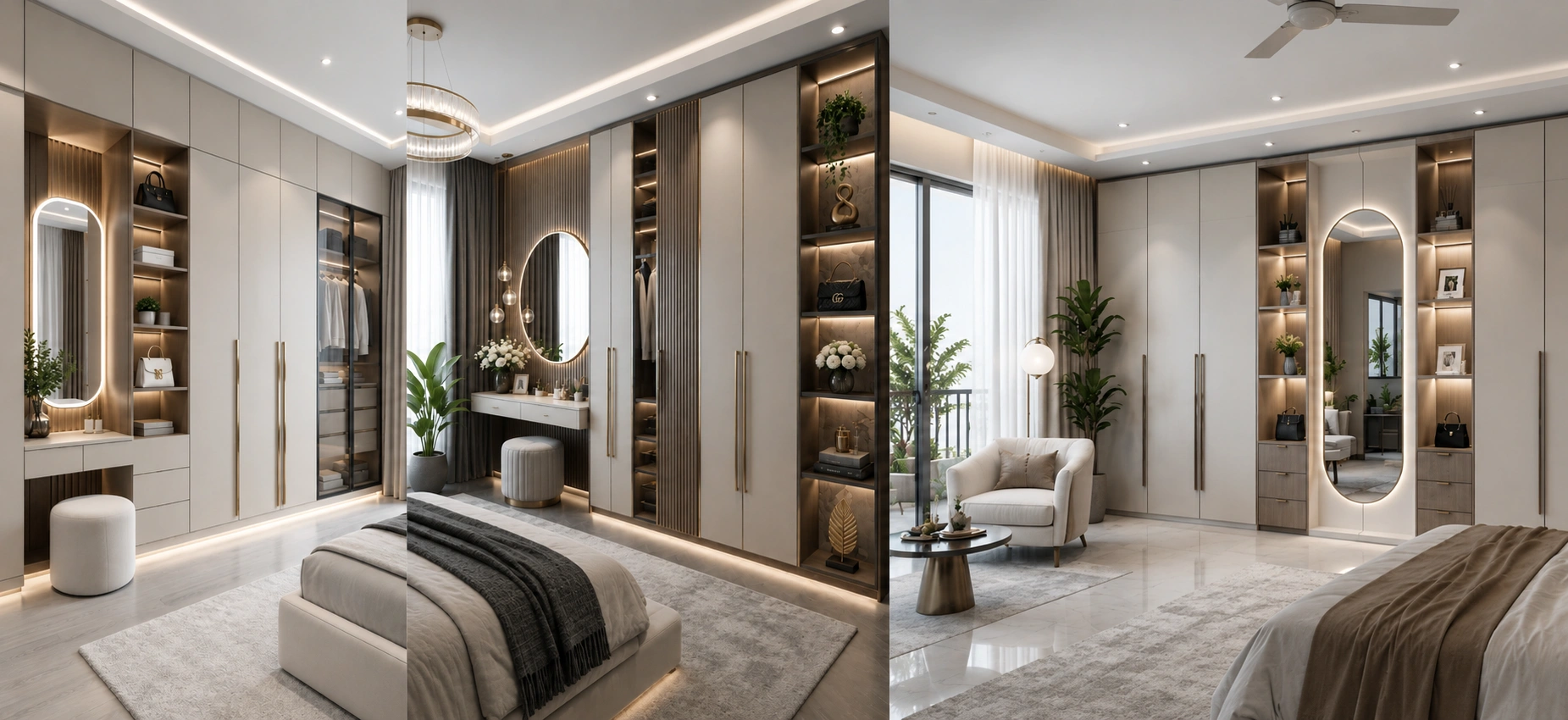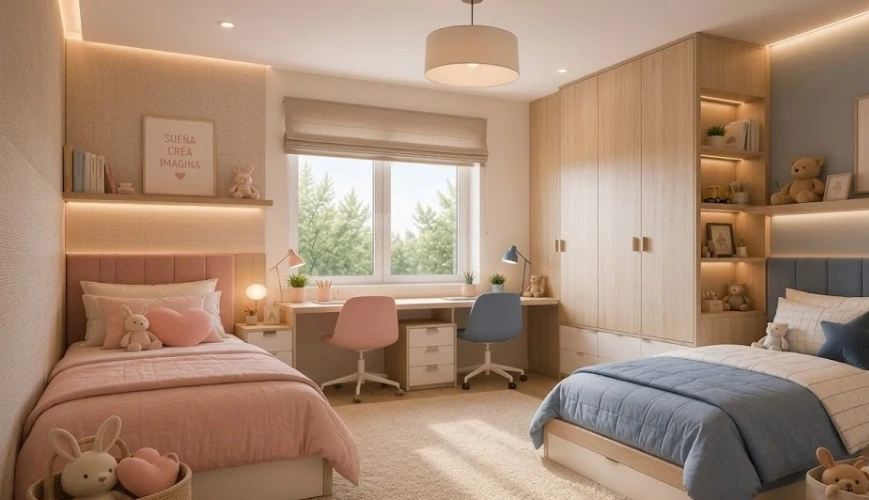
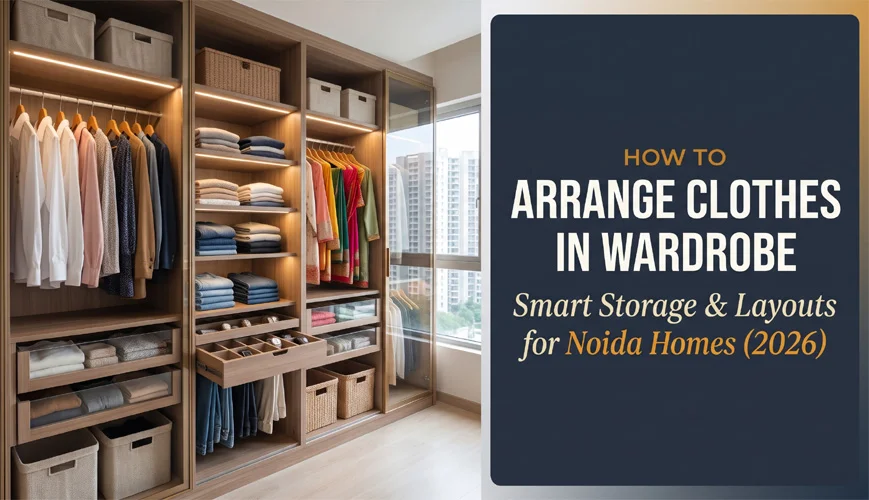
A complete guide to organizing daily clothes, styling seasonal Indian wear, planning modular wardrobe layouts, and understanding realistic fit-out costs across Delhi NCR.
Waking up to a chaotic, overstuffed cupboard turns rushed weekday mornings into an unnecessary workout. Between folded office shirts, traditional sarees, heavy winter shawls, and workout gear, finding what you need can be frustrating in busy apartments across Noida.
Learning how to arrange clothes inside a modern wardrobe is about more than just folding fabric neatly. It requires calibrated layouts that make finding daily essentials effortless while maximizing usable storage. By pairing smart decluttering habits with custom modular compartments, you can give your bedroom a clean, functional setup finished with a refined premium touch.
Best Ways to Organize Your Wardrobe
A cluttered closet usually happens when different types of garments compete for the same shelf. Use these structured steps to arrange your clothing logically:
1. Group by Category First, Then by Color
Start by grouping similar clothes together—formal shirts, casual tees, trousers, sarees, and nightwear. Within each section, arrange items from light to dark shades. This makes coordinating outfits fast and keeps your closet looking visually clean.
2. Double Your Hanging Space with Two-Tier Rods
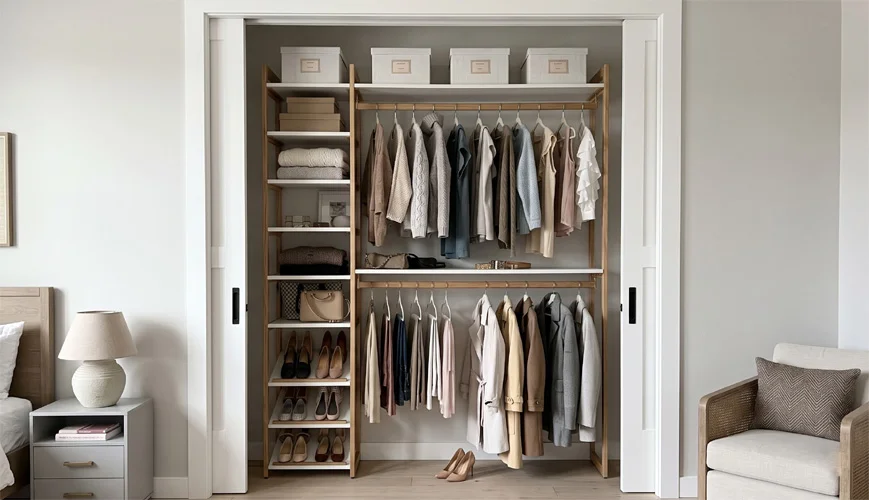
Dedicating full-length vertical space to short formal shirts or blazers leaves empty, wasted clearance below. Install two short hanging tiers: use the upper rod for button-downs and crop tops, and the lower rod for folded trousers and skirts.
3. Vertical File-Folding for Drawers
Stacking t-shirts and gym wear in horizontal piles forces you to pull items from the bottom, causing entire piles to collapse. Fold shirts, lounge pants, and intimates using the vertical file-fold method (placing them upright like files in a cabinet) so every garment is visible at a glance.
4. Zone Daily Essentials at Eye Level
Keep everyday work shirts, innerwear, and regular denim in central drawers and reachable eye-level tiers. Reserve bottom shelves for laundry hampers or shoe bags, and move wedding ethnic sets and heavy quilts into overhead lofts.
5. Switch to Slim Non-Slip Velvet Hangers
Mismatched wire, metal, and bulky plastic hangers clutter your rail and cause silk kurtas to slide off. Uniform slim velvet hangers save up to 30% of horizontal rail space while preventing shoulder bumps on delicate fabrics.
Not sure which wardrobe layout suits your bedroom? Send us your room size on WhatsApp for a quick recommendation.
Chat on WhatsAppActionable Tips to Maximize the Storage
Modern high-rise flats in Noida demand space-efficient internal fittings that turn dead corners into functional storage:
- Incorporate Pull-Out Trouser and Saree Carousels: Folding heavy ethnic fabrics on open wooden shelves creates thick, unwieldy stacks. Telescopic pull-out saree and trouser racks hold up to 15–20 garments neatly, keeping them pressed and crease-free.
- Use Velvet-Lined Accessory Organizers: Dedicate a shallow 4-inch top drawer with grid dividers for wristwatches, cufflinks, belts, perfumes, and jewelry. Keeping accessories organized prevents dresser surfaces from collecting clutter.
- Utilize Door Backs with Adhesive Metal Caddies: If you have hinged shutter doors, attach slim metal organizers to the inner face of the panel to store scarves, dupattas, ties, and everyday belts without consuming internal shelf space.
- Store Bulky Winter Quilts in Vacuum Bags: Delhi NCR’s heavy winter jackets and razais take up substantial room for eight months of the year. Seal them in airtight vacuum compression bags before placing them in the highest lofts to free up lower shelves for year-round clothing.
- Add Under-Shelf Wire Baskets: If built-in wooden shelves leave deep vertical air gaps above stacks of folded clothes, slide clip-on wire baskets onto the shelf above to hold folded handkerchiefs, socks, and clutches.
Modular Wardrobe Layouts That Work Best
Building or retrofitting an efficient internal layout depends on how you balance hanging space, pull-outs, and open ledges. For shutter styles and finishes, see our guide to the latest wardrobe designs.
The Executive 3-Section Layout (6 to 8 ft Wardrobe)
- Section A (Left): Full-length hanging rail (48–54 inches) for long anarkalis, maxi dresses, and blazers, with two open shoe ledges at the base.
- Section B (Center): Two-tier short hanging rail for formal shirts and trousers, positioned above a velvet-lined jewelry drawer.
- Section C (Right): Four open cubby shelves for denim and knitwear, anchored by three pull-out solid drawers for nightwear and intimates.
The High-Rise Sliding Loft Layout
Two wide sliding door panels running floor-to-ceiling, hiding deep upper overhead lofts for seasonal luggage, backed with soft-close tandem pull-out baskets below.
Average Cost of Wardrobe Interior Fit-Outs in Delhi NCR (2026)
Wardrobe budgets in Delhi NCR depend on overall front elevation, carcass board quality (BWP ply vs. HDHMR), shutter finishes, and internal hardware:
| Wardrobe Tier | Material Specifications | Cost Range (Per Sq. Ft. of Front Elevation) |
|---|---|---|
| Standard / Essential | HDHMR/MR Ply carcass, matte laminate finish, standard soft-close hinges, 2 drawers. | ₹1,200 – ₹1,800 |
| Premium Modular | BWP Marine Ply (IS 710), acrylic or PU shutters, branded soft-close tandem runners, trouser rack. | ₹2,200 – ₹3,200 |
| Luxury Walk-In / Coplanar | Tinted glass shutters, aluminum profiles, sintered stone trims, velvet pull-outs, sensor LED tracks. | ₹3,500 – ₹5,500+ |
Note: For a standard 6×7 ft master bedroom wardrobe (approx. 42 sq. ft. shutter area), an essential laminate unit ranges from ₹50,000 to ₹75,000, while a custom premium configuration with specialized pull-out organizers runs between ₹95,000 and ₹1.4 Lakh.
Want a fixed quote for your wardrobe? Talk to our designers on WhatsApp.
Chat on WhatsAppFrequently Asked Questions
Hang heavy silk, zari, and embroidered sarees on padded or velvet non-slip hangers inside breathable cotton muslin bags to prevent metal embroidery from snagging on adjacent fabrics.
Use marine-grade BWP plywood for back panels that touch external walls, install small rear ventilation louvers, and place camphor tablets, cedarwood blocks, or silica gel packets in drawer corners to absorb humidity during the monsoon months.
A symmetrical 4-door hinged or wide 2-door sliding layout works best. Split the closet into two equal halves with dedicated hanging rods and personal drawers on either side, while sharing upper seasonal lofts and lower shoe racks.
A balanced Indian wardrobe typically allocates 40% of its volume to hanging rails (for shirts, coats, and sarees), 35% to drawers and open shelving (for folded t-shirts, knitwear, and daily innerwear), and 25% to top lofts for seasonal bedding.
Yes. Sliding doors slide sideways on aluminum tracks, requiring zero clearance into the walkway around the bed. Hinged doors need at least 2.5 to 3 feet of swing space to open fully without bumping into bedside tables.