A well-designed home is more than just a beautiful space — it reflects your personality, supports your lifestyle, and creates a comfortable environment for your family. As we move into 2026, home interior design continues to evolve with a strong focus on functionality, sustainability, smart technology, and timeless aesthetics.
Whether you are designing a new home, renovating an existing one, or simply looking to upgrade a single room, understanding the fundamentals of interior design can help you make informed decisions that add long-term value to your property. This guide covers everything from colour palettes and furniture to lighting, storage, and space utilisation.
Planning your home interiors in Delhi NCR? Get a free estimate in 30 seconds.
Get Free Estimate →What is Home Interior Design?
Home Interior Design is the art and science of enhancing the interiors of a residential space to create an environment that is functional, aesthetically pleasing, and tailored to the homeowner's needs.
Professional interior design goes beyond choosing furniture or decorating walls. It involves careful planning of layouts, lighting, materials, colours, storage solutions, furniture placement, and décor to ensure every corner of the home serves a purpose while maintaining visual harmony.
A professionally designed home typically includes:
- Smart space planning and functional furniture layouts
- Customised storage solutions and modular wardrobes
- Premium material selection for longevity and aesthetics
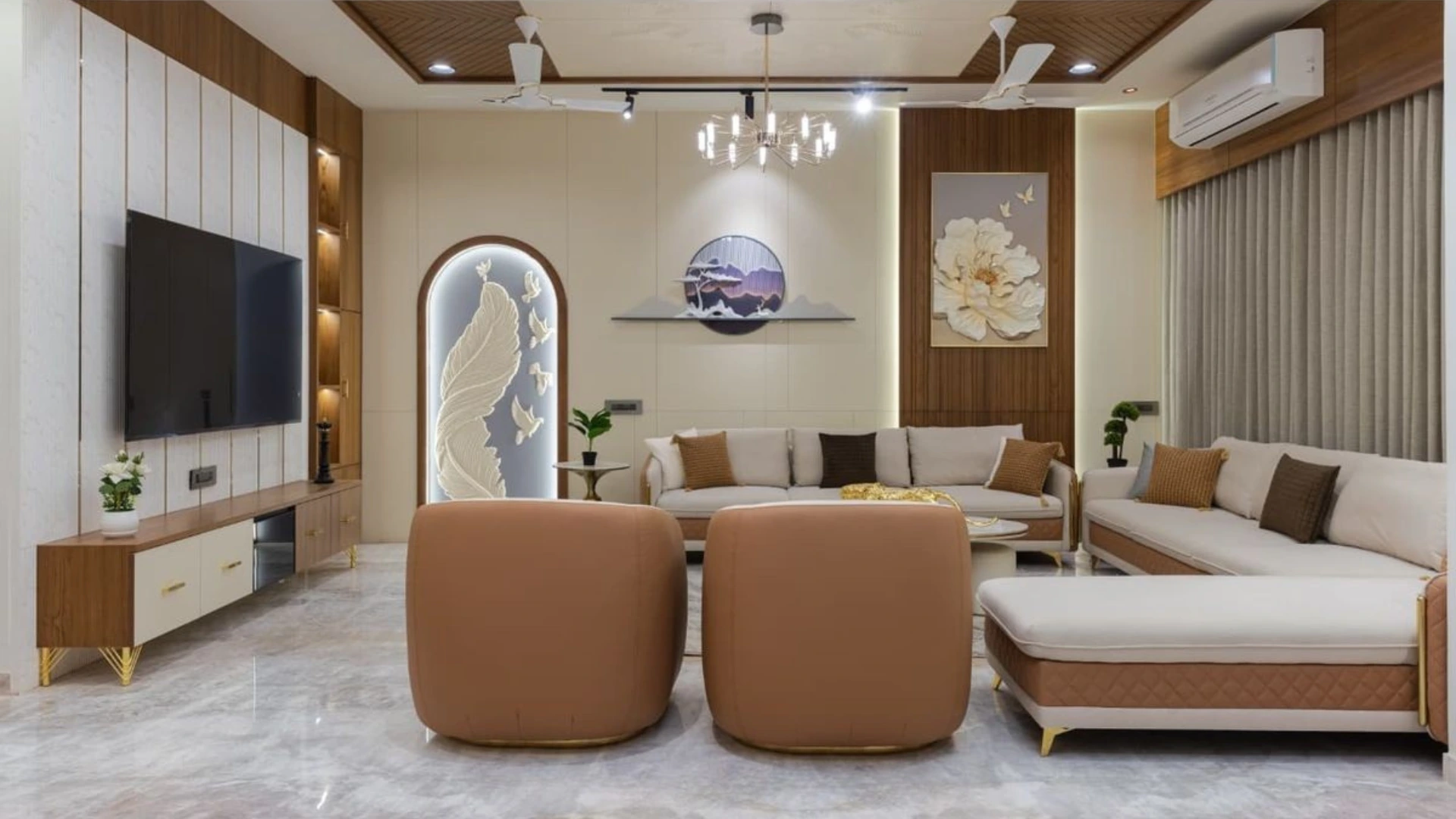
- Layered lighting design (ambient, task, and accent)
- False ceiling planning and feature walls
- Modular kitchen design tailored to your cooking habits
- Decorative accessories and finishing touches
Why Home Interior Design Matters in 2026
Modern homeowners expect more from their living spaces than ever before. Today's homes must accommodate work, relaxation, entertainment, and family life — all while maintaining a stylish appearance.
Better Space Utilisation
Every square foot is optimised, ensuring your home feels spacious and organised regardless of its size. Professional designers evaluate traffic flow, furniture scale, and natural light before finalising any layout.
Enhanced Functionality
A thoughtfully designed home improves daily living by making kitchens more efficient, bedrooms more relaxing, and living spaces more welcoming. Multifunctional furniture and smart storage eliminate clutter.
Increased Property Value
Well-designed interiors can significantly increase the resale value of your property while making it more attractive to potential buyers. Premium finishes and modular furniture are particularly valued.
Personalised Living Experience
Interior design allows homeowners to express their personal style through colours, materials, textures, and furniture. The result is a home that feels uniquely yours — not a showroom replica.
A professional interior design project in Delhi NCR can increase your home's resale value by 15–25%, particularly when premium modular kitchen and wardrobe solutions are installed with long-term warranties.
Home Interior Design Trends for 2026
Interior design trends continue to shift towards creating spaces that are practical, sustainable, and visually timeless. Here are the five dominant trends our design team is seeing across every project in Delhi NCR.
Minimalist Luxury
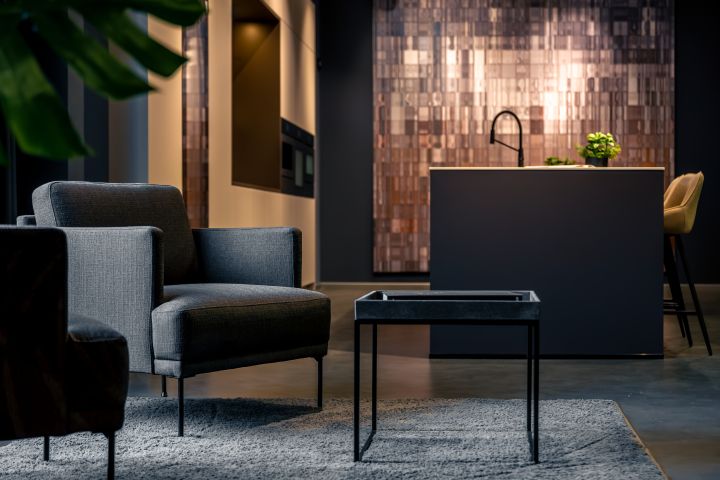
Minimalism remains one of the most sought-after styles, but in 2026 it incorporates premium finishes, warm textures, and elegant materials to create a luxurious yet uncluttered look.
- Neutral colour palettes — warm whites, taupes and soft greys
- Clean lines with hidden storage solutions
- Statement lighting and sculptural fixtures
- Natural stone surfaces and premium hardware
Sustainable Interiors
Eco-friendly materials are becoming an essential part of modern home design — driven by both environmental responsibility and healthier indoor air quality.
- Engineered wood and BWP-grade plyboards
- Low-VOC paints (Asian Paints Royale Aspira range)
- Bamboo finishes and recycled material accents
- Energy-efficient LED lighting throughout
Smart Home Integration
Technology is transforming modern interiors. Smart features planned during the design stage result in cleaner, more seamless spaces with minimal visible wiring.
- Voice-controlled and app-based lighting systems
- Smart thermostats and automated curtains
- Digital door locks and video doorbells
- Concealed home automation panels
Multifunctional Spaces
With hybrid work now permanent for many households, multifunctional rooms are no longer optional — they are essential. Every square foot must earn its place.
- Home office alcoves with hidden storage and cable management
- Convertible guest rooms with Murphy beds
- Dining areas that double as workspaces
- Modular furniture that adapts to multiple uses
Nature-Inspired (Biophilic) Design
Biophilic design continues to dominate by bringing natural elements indoors. Homes designed around natural elements promote relaxation and improve overall well-being.
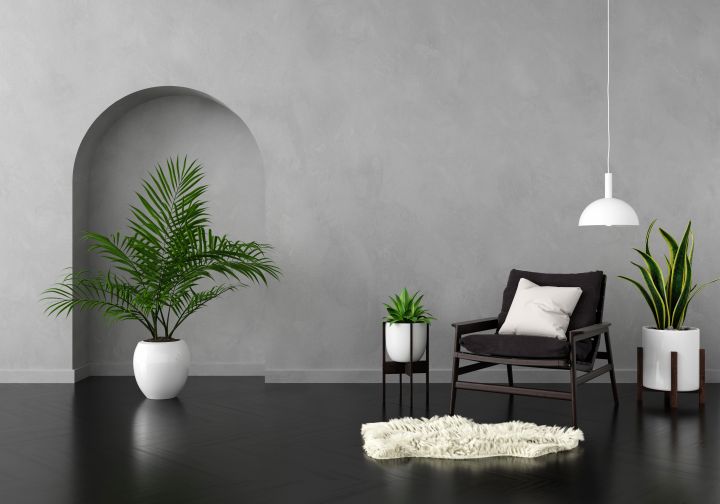
- Indoor plants and vertical green walls
- Wooden textures and natural stone finishes
- Large windows maximising natural light
- Earthy colour palettes — terracotta, sage, warm browns
Essential Elements of Home Interior Design
Creating a beautiful home requires balancing several design components. Here is a breakdown of the most critical elements every homeowner should understand before starting a project.
Space Planning
Efficient space planning ensures smooth movement throughout the home while maximising available space. Professional designers carefully evaluate room dimensions, furniture footprints, and traffic flow before finalising any layout. A poor layout on paper becomes a daily frustration to live in.
Colour Scheme
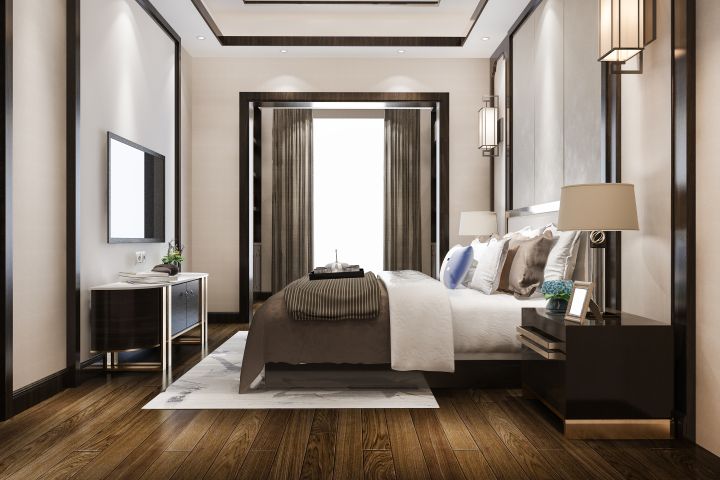
The right colour palette sets the mood for each room. In 2026, neutral shades remain dominant — often complemented by warm accent colours in soft furnishings, cushions, and artwork to add depth and character without overwhelming the space.
Lighting Design
Lighting plays a crucial role in defining the ambiance of a home. A balanced lighting plan combines three layers:
- Ambient lighting — the primary source (downlights, ceiling fixtures)
- Task lighting — focused light for specific activities (kitchen counter, study)
- Accent lighting — decorative layer that highlights textures and artwork
Furniture Selection
Furniture should complement the home's design while meeting the family's practical needs. The key factors to consider are comfort, durability, material quality, size relative to the room, and style consistency across spaces. Avoid buying individual pieces without a holistic plan — mismatched furniture is one of the most common design mistakes.
Storage Solutions
Custom wardrobes, modular cabinets, and hidden storage help maintain a clutter-free home while maximising functionality. In Delhi NCR apartments — especially 2 BHK and 3 BHK configurations — maximising vertical storage is essential. Loft beds, under-staircase storage, and full-height wardrobes are all proven solutions our design team deploys regularly.
Ready to plan your home interiors with experts who've completed 865+ projects?
Book Free Consultation →Frequently Asked Questions
Home interior design is the process of planning and decorating indoor spaces to improve their functionality, comfort, and overall appearance. It covers everything from layout planning and material selection to lighting, furniture, and decorative styling.
The cost depends on factors such as the home's size, design style, materials, and customisation. For Delhi NCR homes, an Essential package typically starts from ₹3.8 lakhs for a 2 BHK, Premium from ₹7.2 lakhs, and Luxury from ₹10 lakhs. A professional consultation can provide an accurate estimate based on your specific requirements.
A professional interior designer helps optimise space, select quality materials, manage the project efficiently, and create a home that suits your lifestyle and budget. They prevent costly mistakes, manage vendor relationships, and ensure your project is completed on time with no hidden surprises.
Popular trends include minimalist luxury interiors, sustainable eco-friendly materials, smart home integration, multifunctional furniture for hybrid work, and nature-inspired biophilic design with indoor plants, wooden textures, and earthy colour palettes.
The timeline varies based on the project's size and complexity, but most complete home interior projects take between 6 and 12 weeks. At Hanaeni Space, we commit to 45-day delivery for most home interior projects, with a fast-track 7-day installation process for modular furniture after manufacturing is complete.