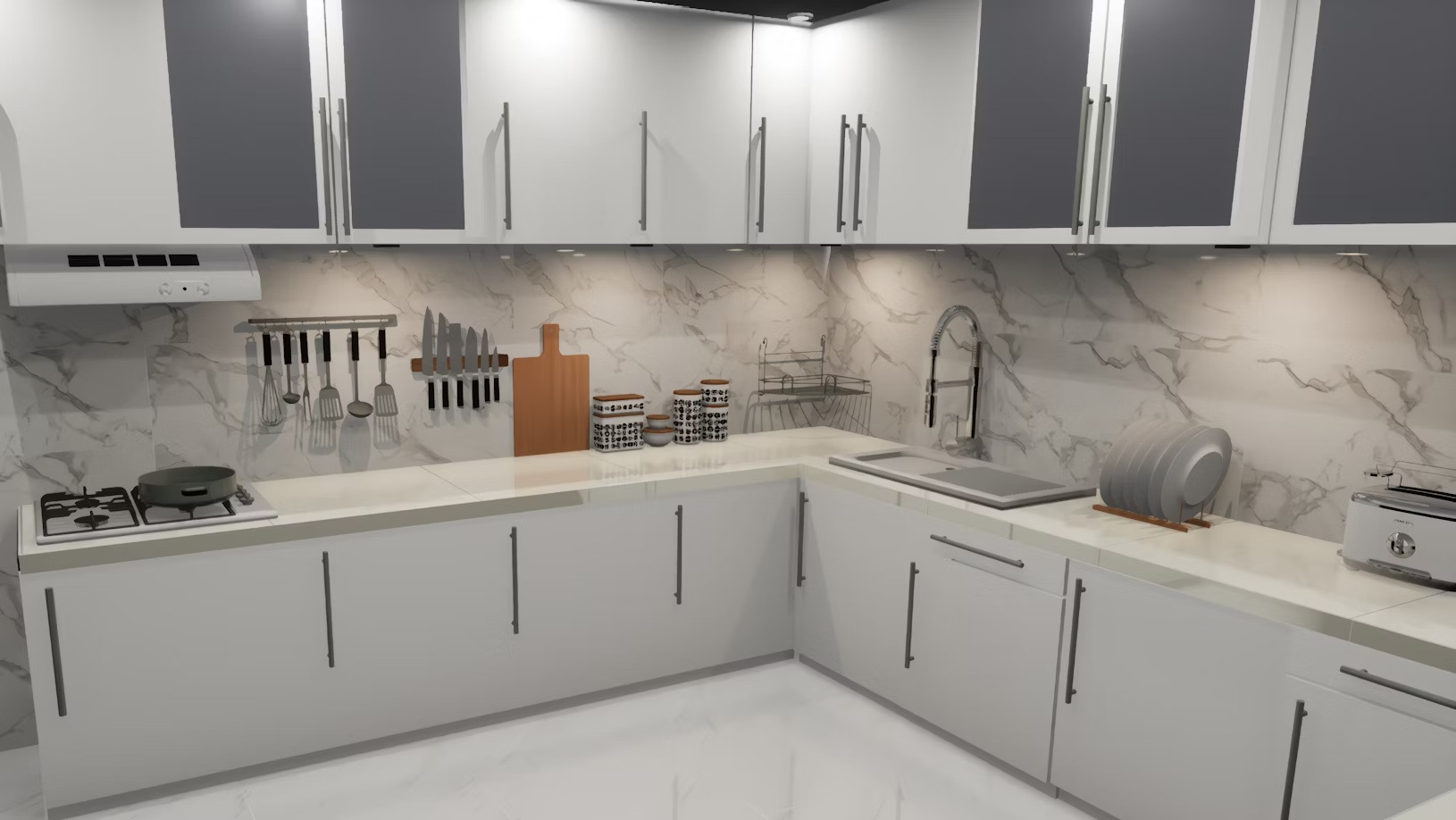
Modular Kitchen Checklist by Top Interior Designer in Delhi NCR
Planning to invest in a modular kitchen? It’s a smart move — when done right. Modular kitchens not only optimize your cooking space but also elevate the style and functionality of your entire home. But before you dive into the world of countertops, cabinetry, and layouts, it’s crucial to have a checklist in place.
Whether you’re building from scratch or renovating an old setup, the right kitchen planning can make all the difference. At Hanaeni Space, we’ve guided hundreds of homeowners toward well-designed, long-lasting kitchens — and we’ve learned that the best results come when clients know what to ask.
Today’s kitchens are more than just cooking areas; they are multifunctional hubs where families gather, kids do homework, and guests are entertained. That’s why modular kitchen design must incorporate not just form and function, but also comfort and efficiency. With that in mind, let's dive into the essential questions every homeowner must consider.
1. What’s Your Kitchen Workflow?
Understanding how you use your kitchen daily helps define the ideal layout. The classic work triangle — the efficient positioning of your stove, sink, and refrigerator — remains a fundamental principle. But it can be customized to suit your cooking style and space.
Ask yourself: Do you need more prep space? Do you entertain often? Do multiple people cook at once? These answers impact how you should structure your zones.
Also consider how your kitchen integrates with adjoining rooms. Open kitchens demand a seamless blend of functionality and visual aesthetics. This is where best interior designers in Delhi can help you harmonize your kitchen layout with your overall home design.
2. Choose the Right Layout
Depending on your space, you might choose an L-shaped, U-shaped, parallel, or island kitchen. Each has its pros and cons. For compact homes, galley kitchens (parallel counters) are popular, while open kitchens with islands are preferred in modern home design.
Our team at Hanaeni Space, recognized as one of the best interior designers in Delhi, recommends customizing your layout based on your lifestyle and storage needs — not just trends.
Some homeowners also include breakfast counters or extend the island into a mini dining area. These creative additions can transform your kitchen into a stylish, multipurpose zone.
3. Consider Storage: Drawers vs. Cabinets
Think beyond just upper and lower cabinets. Deep drawers offer better access to pots and pans, while tall units can store dry groceries efficiently. Incorporating corner solutions, pull-out trays, and vertical racks will increase functionality.
Smart storage is key in modular kitchens. From concealed trash bins to spice pull-outs, everything should have its designated place. Good interior design isn't just about looks — it's about solving everyday problems.
Take into account your personal cooking habits. If you stock up in bulk, a pantry unit may be more useful than standard cabinets. Similarly, consider the frequency of your appliance usage to decide where items like mixers and coffee machines should be stored.
4. Materials Matter
Your kitchen faces heat, moisture, and constant use. Choose materials that are durable, easy to clean, and resistant to wear and tear. Popular options include BWP (boiling water proof) plywood for cabinets, quartz or granite for countertops, and acrylic or laminates for shutters.
Remember, the finishes you choose will define the aesthetic of your kitchen. Matte finishes offer a contemporary touch, while glossy laminates bounce more light around smaller interiors.
If you’re into sustainable living, look into eco-friendly materials. Several modern kitchen manufacturers now offer green options that support environmental well-being while still offering premium quality and finish.
5. Lighting & Ventilation
Natural lighting is always preferred, but task lighting under cabinets and ambient ceiling lights ensure a bright and safe workspace. Chimneys and exhausts are essential to prevent grime and odors from taking over your space.
Good ventilation ensures a fresh-smelling kitchen and reduces the need for deep cleaning frequently. Think of windows, chimney placement, and cross-ventilation when working with your interior design company.
Proper lighting not only improves functionality but also sets the mood. Adding dimmable lights and under-cabinet strips gives you greater control over the kitchen environment, especially during evening gatherings or when hosting guests.
6. Appliances & Their Placement
Do you need a built-in oven, dishwasher, or a microwave? Plan your kitchen layout around the appliances you use regularly. This ensures that the workflow is smooth and you don’t need to retrofit cabinets later.
It’s important to decide this in the planning phase itself, as built-in appliances require specific cutouts and electrical points. Coordinating early with your designer avoids costly alterations later.
Incorporate your electrical layout into the initial design. Many clients forget to account for switchboards and outlets — which can disrupt aesthetics and workflow when added as an afterthought. That’s why it's key to work with a professional who understands the entire ecosystem of modular kitchen design.
7. Set a Realistic Budget
Be upfront about your budget. A good designer will guide you to make the most of it without compromising on quality. Modular kitchens can be customized to fit every price range, provided there is clarity on priorities.
Plan for hidden costs like electrical rewiring, plumbing changes, and new appliances. Transparency ensures you don’t overshoot your investment.
Our team often recommends preparing a tiered budget — identifying "must-haves" vs "nice-to-haves." This approach gives you the flexibility to upgrade later without stressing your finances initially.
8. Timeline & Installation
Discuss project timelines and ensure everything from materials to appliances arrives on schedule. Reliable vendors and experienced teams make the process hassle-free. Ask your designer about the phases: designing, dismantling (if needed), civil work, and final installation.
A well-executed installation is just as important as the design itself. It guarantees longevity and optimal function of every component.
Always check the warranty and after-service support for modular components. A reputed interior design company will offer extended support and be transparent about maintenance schedules, cleaning tips, and repairs if needed.
Final Thoughts
Investing in a modular kitchen is more than just selecting cabinets — it’s about enhancing your lifestyle. By asking the right questions and partnering with an experienced interior design company, you ensure a space that’s both beautiful and functional.
If you’re looking for personalized guidance, reach out to the best interior designers in Delhi. At Hanaeni Space, we’re here to design kitchens that reflect your taste, meet your needs, and bring joy every time you step in.
Ready to create your dream kitchen? Let’s make it happen — one smart step at a time.


